
Local
Do Heat Pumps Really Work in Pittsburgh Winters?
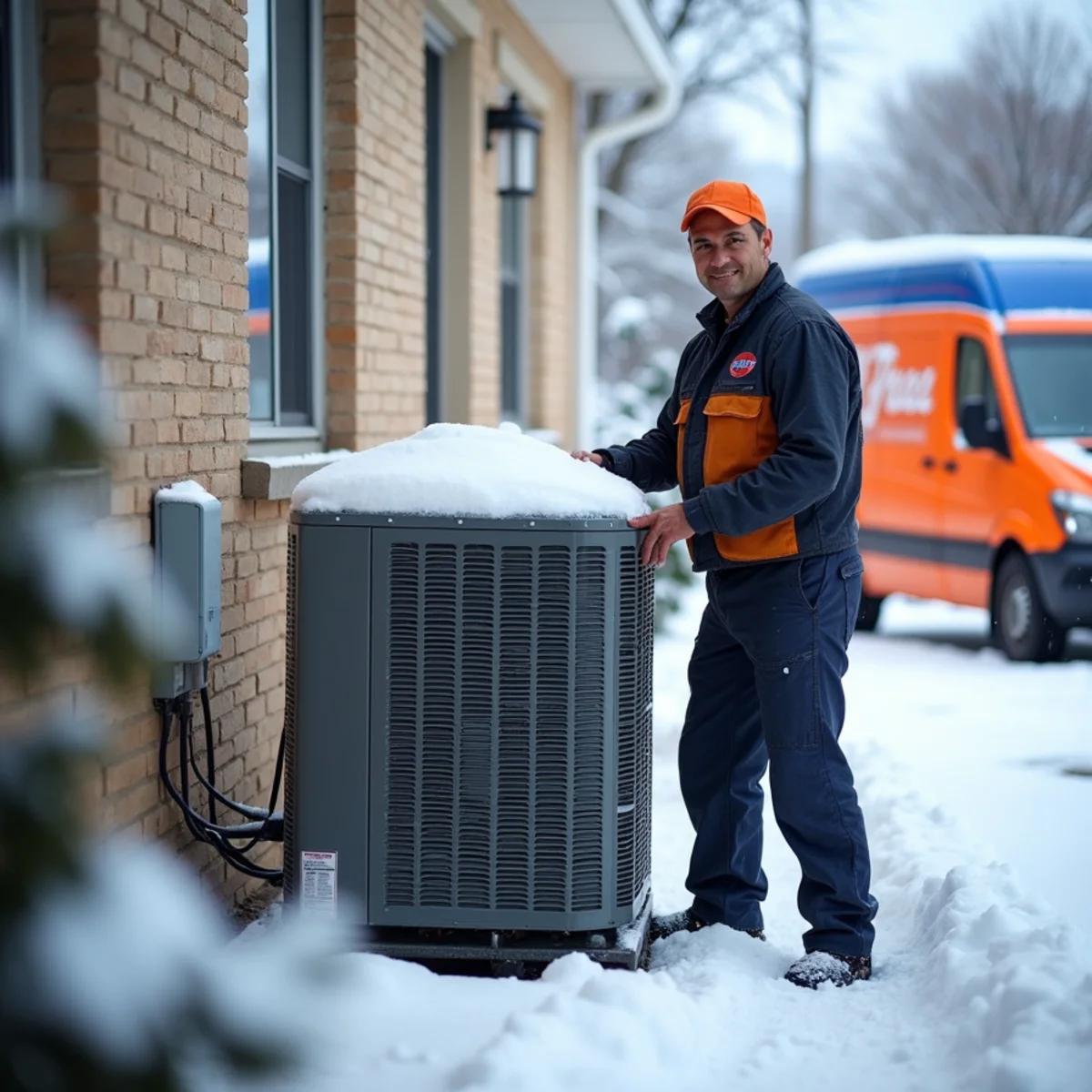
Ask around and you will still hear that heat pumps do not work in cold climates — that they are fine for Georgia but useless in a Pittsburgh January. That reputation is a decade or two out of date. Modern cold-climate heat pumps heat efficiently well below freezing, and plenty of Western Pennsylvania homes run on them today. The catch is that a heat pump only disappoints when it is designed or installed wrong. Here is the real story.
Where the bad reputation came from
The old reputation is real, but it comes from old equipment and bad sizing, not the technology itself. Early heat pumps lost most of their capacity as temperatures dropped and leaned hard on expensive backup electric heat, so bills spiked and rooms felt cool. Undersized units and poor installs made it worse. People remember that experience — but the equipment has changed dramatically since.
How modern cold-climate heat pumps changed the game
Today’s cold-climate heat pumps use variable-speed (inverter) compressors that maintain strong heating capacity far below freezing — many are rated to deliver useful, efficient heat at 5°F and below. Instead of running flat-out or not at all, they modulate output to match the load, which keeps efficiency high and comfort steady on the coldest Pittsburgh nights. Properly specified, one system heats and cools your whole home, as we explain on our heat pump services page.
The single biggest factor in whether a heat pump succeeds here is not the brand — it is whether it was sized for low-temperature heating capacity and had its backup heat configured correctly.
What it takes to do it right in Pittsburgh
A heat pump that carries a Pittsburgh winter is the product of good design decisions, not luck. We size for the low-temperature heating load rather than just the cooling load, choose a true cold-climate model, stage the backup heat so it only runs when genuinely needed, confirm the electrical service, and review the ductwork for the longer, gentler cycles a heat pump runs. Skip any of those and you get the disappointing experience the old reputation is built on.
- Sized for the low-temperature heating load, not just cooling
- A true cold-climate model with strong performance below freezing
- Backup heat staged to run only when truly needed
- Adequate electrical service confirmed
- Ductwork reviewed for the heat pump’s longer, gentler cycles
When dual-fuel makes sense
For homeowners who want maximum coldest-day reliability — or who already have a good gas furnace — a dual-fuel system pairs a heat pump with a gas furnace backup. The heat pump handles most of the winter efficiently, and the furnace takes over automatically on the very coldest days. It is a proven approach for our climate and worth considering if you heat with gas today.
| Factor | Older heat pumps | Cold-climate models |
|---|---|---|
| Cold-weather capacity | Fell off near freezing | Strong well below freezing |
| Compressor | Single-speed | Variable-speed (inverter) |
| Backup heat use | Ran constantly, costly | Only when truly needed |
| Comfort | Cool, uneven on cold days | Steady and efficient |
The bottom line
Yes, heat pumps work in Pittsburgh winters — the modern, properly designed ones work very well. The key is a cold-climate model sized and installed for our climate, with backup heat done right. Curious whether one fits your home? Call (831) 461-3437 for an honest assessment.
Frequently asked questions
Need a Pittsburgh HVAC pro?
Same-day service · 24/7 emergencies · honest pricing