
Prevention
Fall Furnace Tune-Up Checklist for PA Homeowners
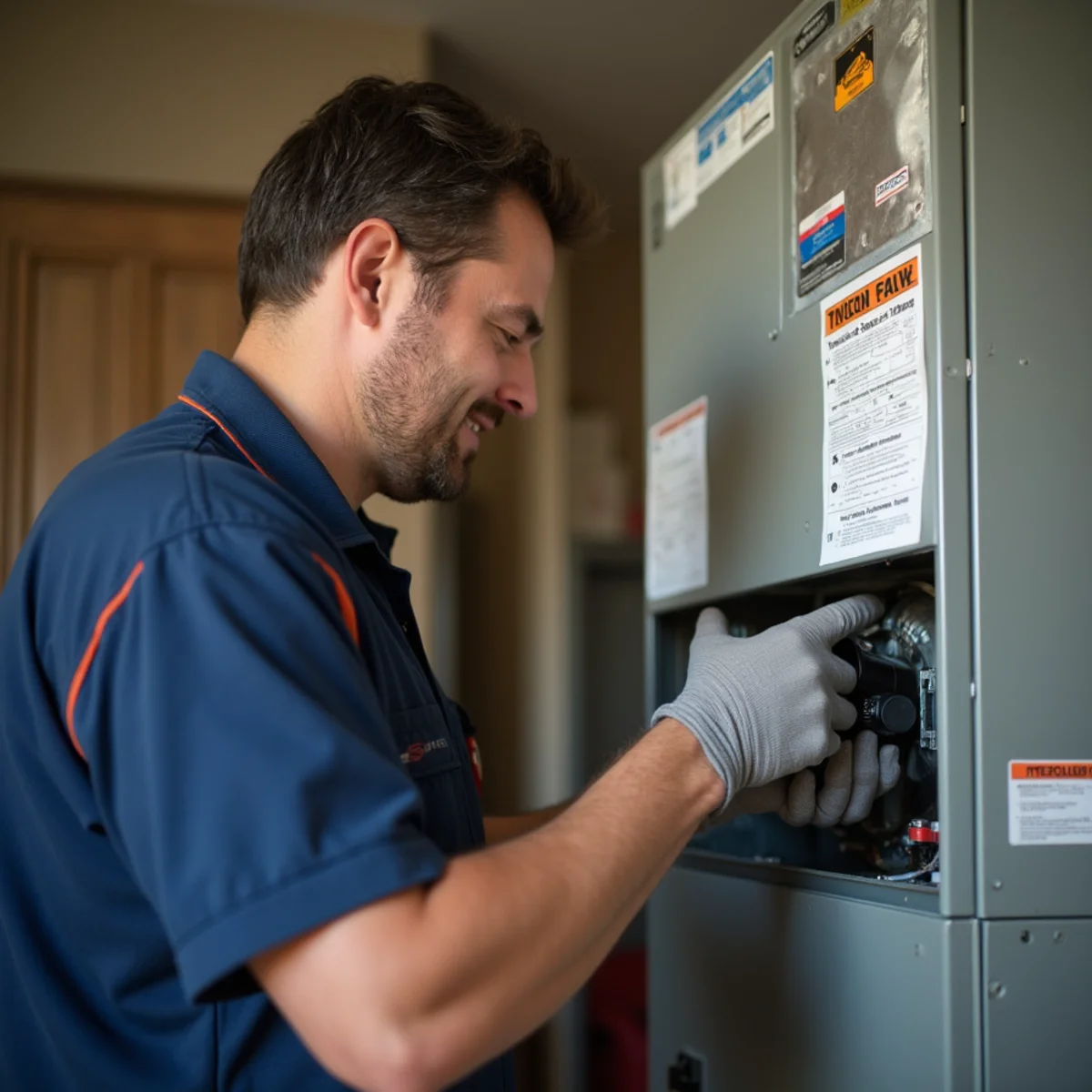
The best time to find out your furnace has a problem is a calm afternoon in September — not the first hard freeze in December when every HVAC company in the region is slammed. A fall tune-up is inexpensive insurance against a no-heat emergency, and it keeps your system efficient and safe. Here is what a real one covers.
What a professional tune-up includes
A genuine tune-up is a hands-on inspection and test, not a quick glance and a sticker. It should cover:
- Ignition system — igniter, flame sensor, and burner operation cleaned and tested
- Heat exchanger inspection — checking for cracks that could leak combustion gases
- Combustion and venting — safe burning and proper flue draft
- Safety controls — limit and pressure switches, and the flame-rollout safety
- Electrical connections — tightened and checked for wear
- Blower and airflow — motor, capacitor, and temperature rise verified
- Condensate drain — cleared on high-efficiency furnaces to prevent lockouts
- Thermostat operation — confirmed calling and cycling correctly
The heat-exchanger check is the safety-critical one. A cracked heat exchanger can leak carbon monoxide, which is why a real tune-up includes inspecting it — not just changing a filter.
What you can do yourself
- Replace the air filter and note the size so you can keep spares on hand
- Clear the area around the furnace of stored items and dust
- Make sure supply and return vents are open and unblocked
- Test the heat early — run it for a cycle before you actually need it
- Check and replace batteries in the thermostat and carbon-monoxide detectors
Why it pays off
A tune-up catches the small failures — a weak flame sensor, a tired capacitor, a clogging drain — before they leave you without heat on the coldest night. It keeps the system running at its rated efficiency, protects your manufacturer warranty, and gives you a documented record of the furnace’s condition. Our HVAC maintenance visits document exactly what we find rather than leaving a generic "all good."
Schedule your fall tune-up before the rush. We serve homeowners across Pittsburgh and Cranberry Township. Call (831) 461-3437.
What a pro catches that a DIY check can't
Changing your filter and clearing the area around the furnace genuinely helps — but there's a hard line between what a homeowner can safely check and what needs instruments and training. The safety-critical items in particular can't be eyeballed. A cracked heat exchanger, marginal combustion, or a failing safety control gives no obvious sign from the outside, which is exactly why they're dangerous when missed.
The professional-only items on a real fall tune-up:
- Heat-exchanger inspection for cracks that could leak carbon monoxide
- Combustion analysis to confirm the furnace burns cleanly and safely
- Testing the flame-rollout, limit, and pressure safety switches
- Measuring temperature rise and verifying blower and motor performance
- Checking gas pressure and cleaning the flame sensor and burners
The heat-exchanger and combustion checks are the ones that protect your family — reason enough to book a professional HVAC maintenance visit rather than relying on a DIY glance.
A word on timing, because it matters more than people think. The technicians who do the most careful work are the least available once the first cold snap hits and every no-heat call in the region lands at once. Booking in September or early October means an unhurried, thorough visit, and any needed part gets installed before you depend on the heat. It also means that if the inspection turns up a cracked heat exchanger or an unsafe condition, you have time to weigh your options calmly rather than making a rushed decision in a cold house. The tune-up is cheap; knowing your furnace is safe and ready before winter is the real return.
| Task | Who | Why it matters |
|---|---|---|
| Replace filter | You | Airflow and efficiency |
| Clear area around furnace | You | Safety and airflow |
| Heat-exchanger inspection | Pro | Carbon-monoxide safety |
| Combustion analysis | Pro | Clean, safe burning |
| Test safety switches | Pro | Prevents unsafe operation |
| Clean flame sensor & burners | Pro | Reliable ignition |
Why September beats December for booking
Timing decides how good your tune-up is. The technicians who do the most careful work are the least available once the first cold snap lands and every no-heat call in the region arrives at once. Booking in September or early October buys you an unhurried, thorough visit, and any part the inspection turns up gets installed before you depend on the heat. It also means that if we find a cracked heat exchanger, you can weigh options calmly instead of deciding in a cold house. Our HVAC maintenance fills up early every fall for exactly this reason.
Frequently asked questions
Need a Pittsburgh HVAC pro?
Same-day service · 24/7 emergencies · honest pricing