
Air Quality
Why Is My Pittsburgh Basement So Humid — and How to Fix It
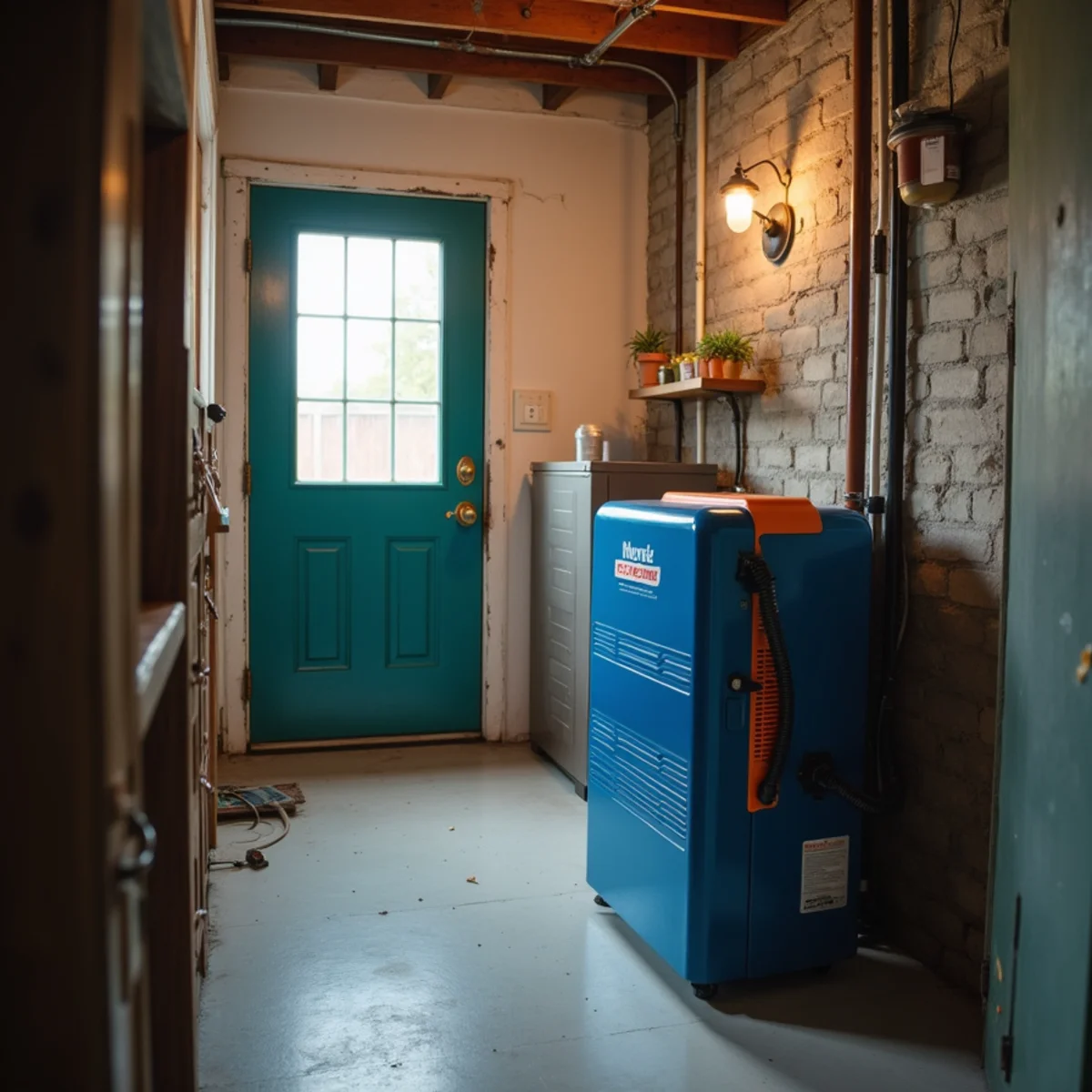
Come summer, a lot of Pittsburgh basements turn damp and musty — a smell that hits you at the bottom of the stairs, cardboard boxes that go soft, and sometimes visible moisture on the walls or floor. Running the air conditioner harder rarely fixes it, because the problem is humidity, not temperature, and basements are uniquely prone to it. Here is why, and what actually works.
Why basements trap humidity
Warm, humid summer air sinks into the cool basement and, when it hits those cooler surfaces, gives up its moisture — the same way a cold glass sweats on a July afternoon. Below-grade walls also let ground moisture migrate through, and basements often have poor air circulation. The result is high relative humidity that breeds that musty smell, encourages mold, and can warp anything stored down there.
A cheap hygrometer settles the question fast. A healthy basement sits around 45–55% relative humidity in summer; if yours reads 60% or higher, you have a moisture problem worth solving.
Why more air conditioning is not the answer
It seems logical to just cool the basement more, but an oversized or hard-running AC actually makes humidity worse in a basement — it satisfies the thermostat and shuts off before it has run long enough to wring moisture out of the air. And most systems are not designed to dehumidify a below-grade space that is already cool. That is the same oversizing problem we see whole-house: cold and clammy instead of cool and dry.
What actually controls basement moisture
For most Pittsburgh basements, the real fix is dedicated dehumidification. A whole-home dehumidifier can be integrated with your HVAC system and set to hold a target humidity independent of temperature, so the basement stays dry without being frozen. We measure the moisture load and recommend the right approach as part of our indoor air quality service — sometimes paired with sealing duct leaks or improving air circulation.
- A whole-home or standalone dehumidifier sized to the space and moisture load
- Sealing obvious water entry and improving grading and gutters outside
- Better air circulation so stagnant, damp air does not sit
- Insulating cold water lines and surfaces that sweat
| Cause | What you notice | Fix |
|---|---|---|
| Warm air on cool surfaces | Sweating walls, musty smell | Dedicated dehumidification |
| Ground moisture through walls | Damp floor, efflorescence | Sealing + dehumidifier |
| Oversized/short-cycling AC | Cold but still clammy | Right-size or dehumidify |
| Poor circulation | Stagnant, heavy air | Improve airflow |
When to get it checked
If the musty smell is persistent, boxes and furniture are getting damp, or you see any sign of mold, it is worth acting before it spreads or damages what you store down there. We can measure your basement humidity, find where the moisture is coming from, and size the right dehumidification. Call (831) 461-3437 to get it handled before the next humid stretch.
Frequently asked questions
Need a Pittsburgh HVAC pro?
Same-day service · 24/7 emergencies · honest pricing